Physical Address
304 North Cardinal St.
Dorchester Center, MA 02124
Physical Address
304 North Cardinal St.
Dorchester Center, MA 02124

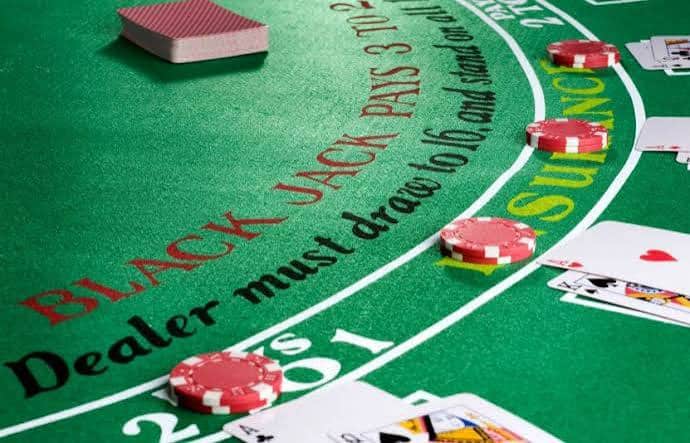
Live tables with limited seats face an obvious constraint: more people want to play than there are positions. The solution the industry settled on is unusual and slightly uncomfortable, letting spectators wager on a seated player’s outcome without any influence over their decisions. Formats including Money Time casino tables and seat-limited card games use variations of this mechanic, and it raises questions no other wagering structure does.
A spectator selects a seated participant and stakes on their result. If that player wins, the backer wins at the same odds; if they lose, both lose. The backer makes no decisions whatsoever, including any strategic choices the seated player faces. In games where those choices affect expected value, the backer is therefore entrusting their stake to a stranger’s judgment, which is the mechanic’s defining feature and its central problem.
Capacity economics drive adoption.
A live table costs the same to operate whether seven people play or seven hundred watch, and seats cannot be added without rebuilding the production. Bet behind converts spectators into participants without new infrastructure, which is commercially irresistible. Operators also report it keeps queued players engaged rather than leaving, which improves retention at popular tables during peak hours.
Backing someone else’s decisions introduces complications unique to this structure:
Platforms mitigate some of this by displaying seated players’ basic results history, which helps marginally and cannot substitute for control.
In games where strategy matters, a backer’s expected return equals the seated player’s decision quality applied to the game’s odds, which can be considerably worse than optimal play. In games with no decisions after staking, bet behind is mathematically identical to playing directly, since there is nothing for the seated player to get wrong. The distinction is worth checking before using the feature: it is harmless in decision-free formats and genuinely costly in strategic ones.
The honest summary is that bet behind trades control for access. For a spectator who wants to participate at a full table in a decision-free game, it costs nothing beyond the normal house edge. For anyone backing a strategic game, it adds an unquantifiable dependency on a stranger. Knowing which situation you are in takes one glance at whether the game involves choices, and that glance is the whole discipline.


