Physical Address
304 North Cardinal St.
Dorchester Center, MA 02124
Physical Address
304 North Cardinal St.
Dorchester Center, MA 02124

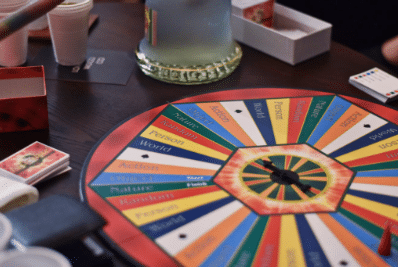
Every December, someone in the office volunteers to organize the party, and within a week the group chat fills with ideas nobody agrees on. Karaoke splits the room. Secret Santa takes weeks of reminders. A wheel asks for a spin and a little nerve, which is why it keeps winning the vote.
The appeal is easy to explain. A wheel turns chance into a shared moment, and thirty people watch the same pointer slow down at once. Teams curious about how a polished version stages that tension can look at the money time game app, a live show built around a giant vertical wheel and a host who controls the pace. Your office version needs only cardboard and a marker.
Accountants, designers and the new intern rarely share hobbies. They do share the ability to shout when a pointer lands on a surprise. A wheel needs no skill, so the senior director and the junior analyst start level.
It also fits short attention spans. One spin lasts about fifteen seconds, which leaves room for chatting, eating and refilling cups. Nobody feels trapped in a ninety minute activity they never wanted. Cost matters too. A hand drawn wheel with twelve slots runs to a few pounds in materials, while a rented carnival wheel can cost over a hundred. Both get the same gasp when the pointer ticks past a favorite slot, so spend according to the mood of the team rather than the size of the budget.
Group size decides almost everything. A wheel that suits twelve people on one floor turns tedious with a hundred and twenty spread over three. Match the format to the headcount before buying any props.
| Format | Best group size | Setup time | Props needed |
| Task wheel | 8 to 20 | 30 minutes | Poster board, marker |
| Prize wheel | 20 to 60 | 1 hour | Rented wheel, tickets |
| Team trivia wheel | 30 to 100 | 2 hours | Slides, spinner app |
For tight budgets, the task wheel gets the loudest laughs. Slots read things like “Describe your week as a movie trailer” or “Swap seats with someone for ten minutes.” Prize wheels work better when a budget exists and managers want something tangible on the table.
Whatever you pick, a few preparation steps save the evening from awkward pauses.
Keep prizes small and varied. A coffee voucher, an extra hour of lunch and the right to choose the next team playlist cost little and still draw cheers. Last year a marketing team of fourteen in Leeds put a “pick someone to bring you a coffee on Monday” slot on its wheel. It was the most requested spin of the night.
Write the rules on one slide or one sheet. Each person spins once, a re-spin only happens if the pointer lands on a line, and the host’s call is final. Short rules prevent arguments that would otherwise outlast the party. Read them aloud once before the first spin, then leave the slide on screen for anyone who missed it while queueing at the buffet.
Start with the lighter slots and save the bigger prizes for later, so energy builds instead of peaking early. Ask the host to narrate each spin, even when nothing is happening. A little commentary makes a plain wheel feel like a broadcast.
Mix up who spins. Calling names from a hat avoids the loudest voices dominating, and it gives quieter colleagues a reason to step forward without volunteering themselves.
Some guests would happily skip the spotlight and just cheer. Include a few slots that need no stage time, such as “Choose a colleague to answer for you” or “Pass this spin to the left.”
Let people trade a task for a smaller one. A guest who can quietly swap a singing task for a trivia question will remember the party fondly, and probably join the next one.
Hybrid teams complicate everything. Put the wheel on a shared screen and let a remote colleague click the spin button, so they control the moment instead of just watching.
Send a small prize by post or an e-voucher to home offices afterward. It costs a few pounds and stops remote staff feeling like an audience for someone else’s celebration. A handwritten card inside the parcel adds warmth.


